Log Off, King: How Celebrities Fumbled the Metaverse Bag and Left Us All Secondhand Embarrassed
Somewhere around 2021, a very specific kind of chaos entered the group chat. Celebrities — armed with their managers, their crypto-bro advisors, and an absolutely unearned confidence — decided that the metaverse was their next frontier. Virtual concerts! Digital real estate! NFT drops that were definitely going to change your life! The vision was bold. The execution? Honey, it was giving Windows 98 screensaver energy in the worst possible way.
Let's pour the tea, because the metaverse celebrity era was a whole situation, and somebody needs to document it for the culture.
"It's the Future" Said No Gen Z Ever
Here's the thing about Gen Z that the PR teams clearly missed in their briefings: we grew up online. We have been online. We ARE online. So when a celebrity in their late 30s or 40s showed up to a virtual concert platform looking like a Sims character whose CC pack didn't load properly, we weren't impressed — we were mortified on their behalf.
The pitch was always the same. Some breathless press release would drop announcing that [Insert Famous Person Here] was "revolutionizing live music" or "redefining fan connection" through an "immersive digital experience." Translation: a laggy avatar bobbing around a neon landscape while 200 actual fans tried to figure out how to make their own character stop walking into a wall.
Travis Scott's Fortnite concert in 2020 was genuinely cool — we'll give credit where it's due. But that was a collab built inside an existing, thriving platform with a real user base. What followed in its wake was a parade of celebrities trying to recreate that lightning-in-a-bottle moment by throwing money at platforms that had all the atmosphere of an empty Chuck E. Cheese at 2 PM on a Tuesday.
The NFT Era Was the Red Flag We All Ignored
Before the virtual concert bubble truly popped, we had to survive the NFT phase, which was essentially the metaverse's awkward prequel. Celebrities were dropping NFT collections like they were dropping singles, and the energy was... a lot.
The pattern was painfully predictable. Step one: celebrity announces exclusive NFT drop tied to some vague promise of "community" and "access." Step two: fans spend real money on a JPEG. Step three: the Discord server goes quiet. Step four: celebrity pivots to something else entirely and pretends the whole thing never happened.
What made it especially rich was the justification. These weren't just pictures, we were told. They were memberships. They were experiences. They were the future of artist-fan relationships. Gen Z, collectively, looked at a pixelated cartoon ape going for the price of a used car and said "we're good, actually."
The disconnect was staggering. While celebrities were busy explaining blockchain technology in Instagram Lives that felt like being cornered at a dinner party, their actual fan bases were on TikTok making memes about how little they cared.
The Concert That Nobody Came To (Virtually Speaking)
Let's talk about the virtual concerts specifically, because they deserve their own moment of silence.
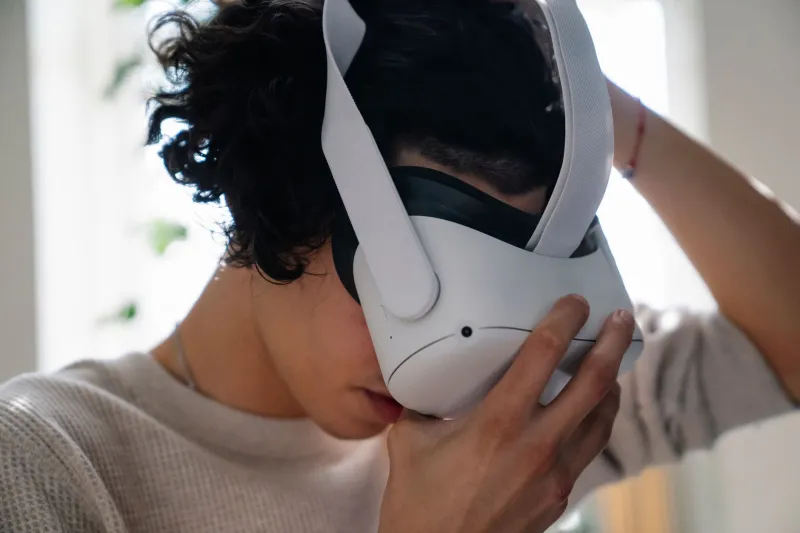
The promise: thousands of fans gathering in a digital space to experience music in a whole new way, transcending the physical limitations of traditional venues. The reality: a platform that required a headset most people didn't own, an avatar customization screen that took 20 minutes to navigate, and a "crowd" of digital attendees who were mostly just standing there because nobody had figured out how to make them dance yet.
Several artists poured serious money into these ventures — production costs, platform partnerships, marketing budgets that could have funded a genuinely solid tour. The return? Middling attendance numbers, social media posts that got way less engagement than a regular tour announcement, and a whole lot of articles (hi) documenting the flop era in real time.
The artists who fared the worst were the ones who treated the metaverse like a flex rather than a genuine creative experiment. There's a difference between exploring a new medium because you're artistically curious and announcing a metaverse concert because your team read a trend report and got excited. Audiences — especially younger ones — can smell the difference immediately.
What This Actually Reveals About Celebrity Culture
Here's where we get a little real for a second. The metaverse flop era isn't just funny (though it is extremely funny). It's actually a pretty clear window into how out-of-touch certain celebrity pivots can be when they're driven by FOMO and financial advisors rather than genuine cultural instinct.
The celebrities who crashed hardest in the metaverse were often the same ones who were late to TikTok, who had teams running their social media in a way that felt like a brand account rather than a person, who were more interested in being seen as innovative than in actually connecting with their audience. The metaverse became a symbol of a certain kind of celebrity striving — the desperate attempt to seem ahead of the curve while actually being several steps behind.
Gen Z didn't reject the metaverse because we're anti-technology. We rejected that version of it because we could see exactly what it was: a monetization scheme dressed up in futurist language, sold to us by people who thought "immersive experience" was a magic phrase that would make us open our wallets.
Where Are They Now (Digitally Speaking)
Most of the celebrity metaverse ventures have gone the way of their NFT Discord servers — quiet, abandoned, occasionally visited by someone who forgot they signed up. The platforms that were supposed to host these revolutionary experiences have either pivoted, rebranded, or shut down entirely. The digital real estate that celebrities and their investor friends bought up in virtual worlds is sitting there, appreciating in absolutely no one's portfolio.
What's genuinely fascinating is how quickly everyone moved on. The same celebrities who were telling us the metaverse was the future are now posting about AI or whatever the next thing is, and the virtual concert era has been quietly deleted from the personal brand narrative like a regrettable Instagram post from 2014.
We, however, remember. We have screenshots. We have the receipts of every press release and every breathless announcement and every "this is going to change everything" quote that aged like milk left out in a Miami summer.
The Lesson Nobody Learned (Yet)
If there's a takeaway from the great celebrity metaverse fumble, it's this: you cannot market your way into cultural relevance with a generation that grew up fluent in exactly how marketing works. Gen Z doesn't need a celebrity to tell us what the future looks like. We're already living in it, and it does not look like a glitchy avatar concert in a virtual stadium that cost millions to build and attracted hundreds of people.
The artists who actually maintained their connection with younger audiences during this period? They were the ones who stayed in their lane, made good music or content, and didn't try to sell us a blockchain-adjacent dream. Funny how that works.
The metaverse isn't dead necessarily — but the celebrity version of it, that particular brand of out-of-touch digital ambition, absolutely cooked itself. And honestly? The content it produced in its dying days was some of the most unintentionally entertaining stuff we've seen in years.
Log off and stay logged off, bestie. We'll always have the memories. And the memes. Mostly the memes.